

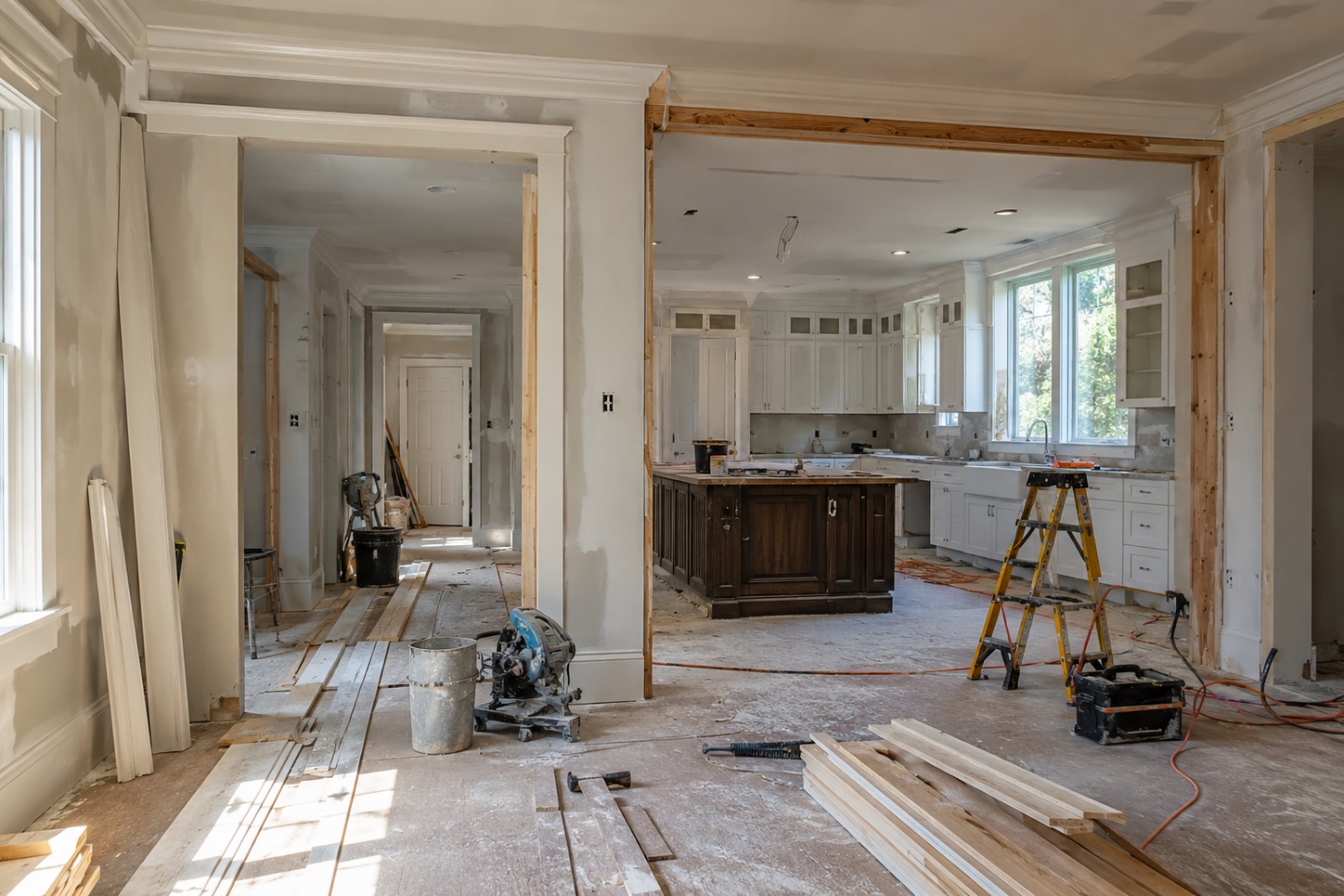
Home remodeling projects have a reputation for going sideways — budgets that balloon, timelines that stretch, and contractors who go quiet halfway through the job. Some of that reputation is earned. But a lot of it comes down to homeowners walking in without a clear picture of how the process actually works.
The Planning Phase Sets the Tone for Everything
Before a single wall comes down, a good remodeling contractor will spend real time in the planning phase. This is where the scope of work gets defined, materials get selected, and a realistic budget gets established.
In Tulsa, this stage also involves pulling the right permits. A licensed remodeling contractor handles this automatically — it's not optional, and any contractor who suggests skipping it is a red flag.
What you should expect during planning:
- A detailed written estimate with line items, not a ballpark number
- A clear project timeline with milestones
- Material selections finalized before work begins
- Permit applications submitted where required
- A single point of contact for communication
Vague estimates and verbal agreements cause most of the disputes that blow up remodeling projects. Get everything in writing before work starts.
Demolition and Prep Work: What Actually Happens First
Most homeowners expect construction to start immediately once a project kicks off. In reality, the first few days usually involve demolition and prep — tearing out what's there before anything new goes in.
This phase matters more than people realize. It's also when hidden issues tend to surface.
What Gets Uncovered During Demo
Older Tulsa homes especially have a way of revealing surprises once walls open up. Common discoveries include:
- Water damage or rot behind drywall
- Mold growth inside wall cavities
- Outdated wiring or plumbing that needs to be brought up to code
- Structural issues that weren't visible during the initial walkthrough
If your contractor finds water damage or mold during demo, that has to be addressed before anything else moves forward. Covering up active moisture damage with new finishes is how small problems become very expensive ones.
A contractor who flags these issues and handles them properly — rather than patching over them — is doing the job right.
The Build Phase: Progress Isn't Always Linear
Once demo and any remediation work is wrapped up, the actual construction begins. Framing, rough-in plumbing and electrical, insulation, drywall, and then finishes.
This is the phase that takes the longest, and it's also where most homeowner frustration builds up. Progress isn't always visible on a daily basis. Some days a crew is on-site for ten hours. Other days nobody shows up because a materials delivery is delayed or an inspection needs to happen first.
A few things that keep this phase on track:
- Regular check-ins with your contractor — weekly at minimum
- Inspections scheduled and passed before work advances to the next stage
- Change orders documented in writing before work is done, not after
- Materials on-site before they're needed, not ordered on the fly
If the scope changes mid-project — and it often does — every adjustment should be documented with a revised cost and timeline before the crew moves forward.
Finishing Work Takes Longer Than You Think
Tile, trim, paint, fixtures, flooring — the finishing stage is where a remodel starts looking like something. It's also where projects stall out more than any other phase.
Detail work is slow. A painter rushing through a room shows up immediately in the final product. Grout lines that aren't consistent don't get better after the fact. This is not the phase to push for speed at the expense of quality.
For painting specifically — interior and exterior — proper prep work (patching, priming, sanding) determines how the finish holds up over time. A fast paint job on unprepared surfaces starts showing wear within a year.
Final Walkthrough and Punch List
Before you sign off on a remodeling project in Tulsa, do a formal walkthrough with your contractor. Bring a notepad.
The punch list is your documentation of anything that needs to be corrected before final payment. Common items include:
- Paint touch-ups and unfinished trim
- Doors or windows that don't open and close properly
- Grout or caulk work that needs to be redone
- Hardware that wasn't installed or is the wrong finish
- Cleanup items the crew missed
A contractor who resists the punch list process or pushes back on corrections is one to be cautious of. A good contractor expects it.
Working With a Contractor Who Does More Than Remodeling
A lot of Tulsa homeowners come to Assurance Restoration for remodeling work, and somewhere in the process we find damage that needs to be addressed first — water intrusion, mold, storm damage, or fire and smoke residue from an older incident that never got fully resolved.
That's not unusual. Older homes hold onto problems. The advantage of working with a contractor who handles both restoration and remodeling is that nothing gets skipped to keep the project moving faster. The structure gets fixed right before the finish work goes on top of it.
If you're planning a remodel and want to work with a team that handles the full scope — from remediation through reconstruction and finishes — reach out and we'll walk through the project with you.
👉 Contact Assurance Restoration to schedule a consultation or get an estimate on your Tulsa remodeling project.